- Find a salon
- Loyalty Program
-
Newsletter
Balayage – it’s the hair trend that swept in like a wave and never went out to sea. From celebrities strutting red carpets to everyday individuals seeking a fresh look, everyone seems to be asking for balayage. But what exactly is balayage, and why is it still one of the most coveted hair coloring techniques years after it became a buzzword? In this in-depth article, we’ll take you through everything you need to know about balayage: its origins, how it differs from traditional highlights, whether it’s right for you, and how to maintain those beautifully blended tones. By the end, you’ll understand why Franck Provost – known as the pioneer of balayage – is the perfect choice for achieving that dreamy, sun-kissed hair.
It feels like one day balayage was a foreign term, and the next day it was the hottest request in salons worldwide. The popularity of balayage can be attributed to a perfect storm of factors:
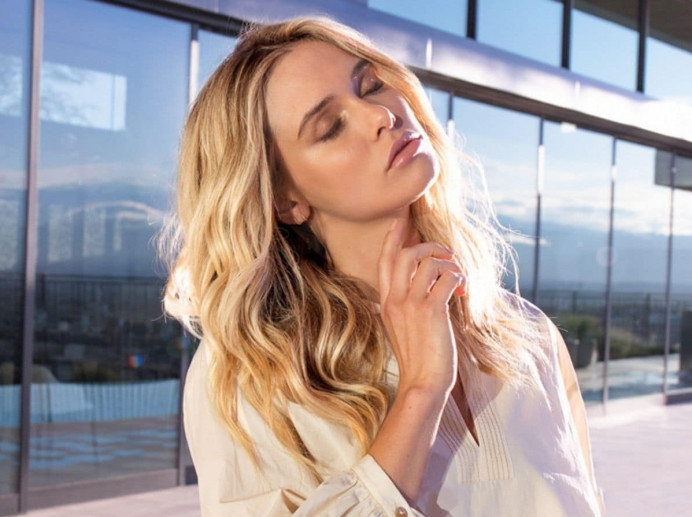
Effortless Beauty: Balayage delivers a look that is effortlessly gorgeous. Think of the hair of surfers, models, and French actresses who always have that slightly sun-lightened, natural dimension. Balayage mimics what the sun would do to your hair over a summer, adding varied tones that look soft and not “from a foil packet.” People are drawn to this because it feels authentic and easy-going, yet very glamorous in a low-key way.
Low Maintenance: Unlike traditional highlights that have a clear regrowth line at the roots, balayage is designed to be low maintenance. The color is usually placed just off the roots or mainly towards mid-lengths and ends, so as your hair grows, there isn’t a harsh line of demarcation. You can go longer between color appointments (often 3-4 months or more) and it still looks great. For busy individuals or those who don’t want to be in the salon every 6 weeks for touch-ups, this is a huge plus.
Customizable and Versatile: Balayage isn’t a one-size-fits-all. It can be super subtle or dramatic, depending on your preference. It works on all hair colors – blonde, brunette, even redheads – and hair lengths (except perhaps very short crops). Whether you want a bit of caramel glow on dark hair or you want to transition to a much lighter look, balayage can do it. It’s also not limited to a “beachy” vibe; it can be tailored to a more sophisticated, high-contrast look or a soft, blended look. The adaptability means it appeals to a broad audience.
Celebrity Endorsement: We’ve all seen those photos – celebrities like Jessica Alba, Jennifer Lopez, Gigi Hadid, and countless others rocking balayage. When A-listers and influencers continuously sport a style, it fuels demand. People bring in pictures of these stars to salons saying, “I want this hair color.” More often than not, the answer is balayage.
The Name & Origin: “Balayage” is a French word meaning “to sweep.” The technique was developed in France in the 1970s. There’s something alluring about a French beauty secret, isn’t there? It evokes an image of chic Parisian salons and artistry. Franck Provost, our very own founder, was among the pioneers of this technique. Knowing a color method comes from the land of fashion and beauty adds to its cachet.
Modern Trends in Beauty: The beauty world as a whole has been shifting towards a more natural, less contrived aesthetic in recent years. Think of the “no-makeup makeup” look in cosmetics, or the move towards natural, healthy-looking skin instead of heavy foundation. Similarly in hair, obvious, stripy highlights have given way to the more diffused balayage. It aligns with the modern idea of enhancing your natural beauty rather than masking or overdoing it.
It’s safe to say balayage isn’t just a trend – it’s become a staple. At Franck Provost, we’ve seen clients of all ages embracing it, from teenagers trying their first color to mature women adding dimensional highlights to blend greys. The universal appeal of balayage lies in its beauty and practicality, a combination that’s hard to beat.
Balayage is a freehand hair coloring technique. Unlike traditional highlights, where foils or meche are used to wrap color through sections from the root, balayage involves painting the surface of the hair in sweeping motions. Here’s a breakdown of how it works:
Our colorist will section your hair and use a brush (or sometimes a paddle) to lightly paint bleach or dye onto the strands, usually in a V-shape or sweep that’s heavier towards the mid-length and ends and softer towards the roots. Because it’s done by hand, we have incredible control over where the lighter pieces go. We can create bespoke, customized highlights that accentuate your haircut and facial features. For example, we might paint more around your face for a brightening “face-frame” and scatter some through the ends elsewhere for balance.
Balayage can be done in open air (just painted and left to process as is) or sometimes we cover the painted strands with cotton strips or film to keep them separate and retain moisture. Heat isn’t typically used, though for some thicker hair we might use a gentle heat source to encourage lifting.
The visual effect of balayage is a gradual, natural transition of color. The roots remain your natural (or a darker shade), and the hair becomes lighter towards the ends. It’s similar to the effect children get in summer when their hair naturally lightens more at the tips. Because the application is soft at the root, regrowth is subtle.
In our Franck Provost salons, we often incorporate our signature French techniques with balayage:
For blondes, we have the Balayage 2 Ors (balayage of two golds) which blends two shades of blonde for a multi-dimensional but still very natural effect.
For brunettes, techniques like Brun Cashmere or Ambre Vénitien (Venetian blonde) might be used – these are fancy names for combining balayage with particular tonal blends to create rich, warm highlights or multi-tonal effects.
Indian Sun is another exclusive approach we use, focusing on strategic highlights that contour the face (like where the sun would naturally lighten around your face)franckprovost.com.au.
The artistry in balayage is what sets it apart. A skilled colorist (like our Franck Provost experts) will consider your haircut, thickness, natural color, and skin tone when painting. They might weave smaller, fine pieces for a delicate look or larger panels for a more bold look. The result, when done right, is a head of hair that looks like it just magically grew out that way – utterly believable, yet enhanced.
Both balayage and traditional foil highlights aim to add dimension and lightness to hair, but the method and end look have distinct differences:
Technique: As explained, balayage is painted on freehand, usually on the surface of the hair section. Foil highlights involve sectioning hair, weaving or slicing very fine strands, applying bleach or color from the root to tip on that section, and then wrapping it in foil to process. Foils incubate and accelerate the lightening, leading to usually a higher lift (great for making dark hair very blonde). Balayage, being open-air, might not get as blindingly light in one session, but creates a softer blend. However, colorists can also use higher strength lightener or extra time to get balayage quite light if desired.
Look: Highlights (foils) tend to create a more uniform, pattern-like lightening. Even when well done, you often see a defined stripe or dot of brightness at the roots where the foil started. The highlights are evenly distributed. This can give a beautiful, but more obviously colored look. Balayage creates a gradient, sun-kissed look. The roots remain darker and only some strands are lightened, often thicker near the ends. Balayage looks more random (in a good way) and lived-in. Highlights can look more “done” or detectable, whereas balayage mimics natural lightening.
Maintenance: Foil highlights have obvious regrowth. After about 6-8 weeks, you’ll see a clear line where your natural color is coming in versus the highlighted strand. Many people get a “T-section” (just the top and front) touched up frequently, or a full redo every couple of months, to avoid banding. Balayage grows out very softly. Since it typically doesn’t start right at the scalp, there’s no harsh line. You can easily stretch balayage 3-6 months between sessions, sometimes longer. Some clients even let it grow out entirely and it just looks like ombré (dark roots, light ends) which is still a stylish look.
Placement and Customization: Foils are placed in a pattern, often in symmetric sections (crown, sides, back) and can be half head, full head, etc. You get an even lift root to tip on each foil piece. Balayage allows more creativity – the colorist may place lighter pieces exactly where they will flatter you most. For instance, if you wear your hair parted on one side, they might paint more on the top layer of the longer side for balance. Or if you have layers, they might paint the tips of select layers to accentuate movement. It’s more tailored.
Bleed and Blending: Poorly done foils can sometimes “bleed” (leak of bleach causing spots), and poorly done balayage can cause patchiness if not saturated right. But in the hands of a pro, balayage generally blends better with the rest of the hair. Highlights often require a toner or gloss over the whole head after to tone down brassiness and blend roots. Balayage also typically involves toning (most lightening does) but the result tends to have multiple tones due to how it’s applied and takes the toner, adding to the natural effect.
At Franck Provost, we actually often combine techniques. For example, foilyage is a popular service – it’s essentially painting balayage but wrapping in foils to get more lift. Or doing a few strategic foils at the crown or around the face and balayage elsewhere to get both optimal brightness and a soft blend.
In summary, if you want a more uniform, higher-maintenance, but very bright look, traditional highlights could be your choice. If you’re after a softer, rooty, lower-maintenance, modern look, balayage is likely the way to go. We often guide clients by asking about their lifestyle and preferences – many are switching to balayage for the ease and chic appearance.
One of the wonderful things about balayage is its versatility. It truly can work for almost everyone, but here are some considerations to determine if it’s right for you:
Hair Color: Balayage can be applied on blondes, brunettes, redheads, and even on black hair. On blondes, it can create that extra “pop” of brightness on the ends and a beachy vibe. On brunettes, it adds dimension and can lighten your overall look without the commitment of going fully blonde. On black hair, it can soften the look and add warm or cool highlights (like caramel, mocha, or even bold colors). Redheads can get lovely ginger or strawberry blonde balayage pieces. The key is choosing the right tones – e.g., caramel and honey balayage on brunettes for warmth, or ash and beige balayage on dark blonde hair for a cooler effect. We at Franck Provost mix custom shades to ensure the highlights complement your base.
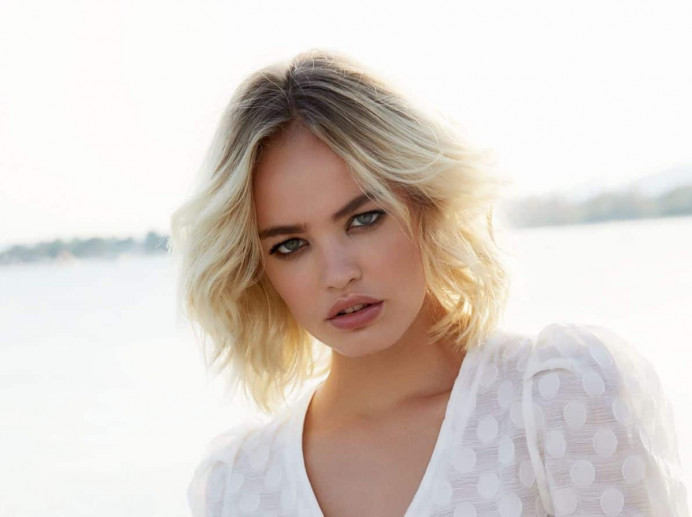
Hair Length: Balayage generally looks best on medium to long hair, because there’s enough length to showcase the gradient effect. If you have a bob or lob (long bob), balayage can still look amazing – think a chic bob with lighter ends. Even on some short pixie cuts, some micro balayage pieces can add dimension, though it’s less common. If your hair is very short (above ear length), traditional highlights or a global color might be more practical. But anything from shoulder-length onward is prime for balayage. It’s especially gorgeous on layered hair, because the different levels of hair each catch the lightener and create a waterfall of tones.
Hair Texture: Straight, wavy, or curly – balayage works on all. On wavy/curly hair, balayage is fantastic because curls naturally clump, and the balayage will accentuate those clumps and spirals with lighter edges, giving a sun-kissed, multidimensional look. Many curly girls prefer balayage since it doesn’t give the obvious stripy look that foils might on textured hair. On straight hair, balayage looks very modern and can add depth so it doesn’t look flat. We might use a more finely blended balayage on straight hair since every detail shows. On curly, we can go a bit bolder as the curls break it up.
Maintenance & Lifestyle: Are you someone who visits the salon regularly, or do you prefer to come just a few times a year? If you’re low-maintenance, balayage is ideal because, as discussed, it grows out gracefully. If you actually enjoy frequent salon visits, you can still get balayage – perhaps you’ll come for toners or small touch-ups in between. But it frees you from a rigid schedule. Busy moms, working professionals, students – everyone loves that they can go longer without a noticeable regrowth line.
Desired Look: If you want a very dramatic blonde transformation (say you’re dark and you want to be near-platinum blonde all over), balayage alone might not achieve that or it might take multiple sessions. That’s a case where combining balayage with foils or opting for more comprehensive lightening plus balayage for blending might be needed. If you want a moderate change – like to brighten up your brown hair with some lighter pieces – balayage is perfect. It’s also a great way to try out being lighter without fully committing. Because your natural color at the roots is preserved, if you ever decide you want to return to all-dark, the grow-out is simple or you can color over it easily.
Grey Hair Consideration: Balayage itself doesn’t cover grey hair since it’s just lightening some strands. If you have greys, we often do a base color (to cover greys) and then add balayage for dimension. Many clients with, say, 20-30% greys enjoy balayage because as their roots grow, the mix of a slightly lighter base and balayage helps camouflage line of grey demarcation. If you are heavily grey and coloring your base dark, balayage can soften the contrast between your colored roots and any stray greys for a more blended look. So, yes it can be part of a grey coverage strategy, but it’s not a grey coverage solution by itself.
In essence, balayage is suitable for most people. During a consultation at Franck Provost, we often have a dialogue like: Client: “Is balayage right for me?” Us: “What do you hope to achieve?”
Then we tailor our answer. 9 times out of 10, there’s a form of balayage or a related technique that will fit their desires. Perhaps the only big exception is someone who wants a solid, uniform hair color – balayage is all about contrast and dimension, so if you want an all-over even tone (like a full head copper or a jet black), balayage isn’t necessary.
If you’re considering getting balayage at Franck Provost, let’s walk through how the process typically goes so you know what to expect:
Consultation: We start by discussing your desired outcome. Feel free to bring inspiration photos – whether it’s a celeb or a Pinterest pic – as that helps us see what tone and depth you like. We’ll assess your current hair: its color, condition, and any previous color on it. We’ll talk about tones (do you like warm golden hues or cool icy ones?), and upkeep (how often you realistically want to come in). This helps us map out a bespoke balayage plan. We might recommend a certain style like contoured balayage to frame your face or suggest adding a root shadow or base colour if needed.
Preparation: We section your hair into manageable parts. Usually, we’ll do a half head or full head of balayage depending on the look. If you’re going significantly lighter, we might apply a protective treatment (like Olaplex or a bond builder) mixed in our lightener to maintain hair integrity.
Application: Now the painting begins! Our colorist will mix a lightener (bleach) with the appropriate strength developer. Sometimes we might use a pre-mixed balayage clay lightener which hardens on the outside (so it doesn’t swell or bleed). Starting often around the back or sides, we take sections of hair and using a paddle or foil board for support, we sweep the lightener on with a brush. The motion is important – we use a light hand near the roots and heavier saturation towards the mid-lengths and ends. We may separate each painted section with cotton, plastic film, or nothing at all, depending on the technique.
One hallmark of Franck Provost balayage is precision and that special French flair. We use different brush sizes for different areas – a smaller brush for delicate face framing, a larger one for longer lengths. We often incorporate some fine babylights (tiny highlights) near the part or hairline to ensure a beautiful blend.
Processing: Once all sections are painted, we let the lightener process. This can take anywhere from 20 to 50 minutes typically. We keep an eye on how the color is lifting. Balayage open-air might lift a bit slower than foils, but we usually achieve a nice lift. If your hair is dark, it may go through phases (red, orange, yellow). Don’t be alarmed – that’s normal. We know how to tone the hair later to the perfect shade. We might put you under a gentle heat for a short time if needed to encourage lifting, but often it processes at room temp. During this time you can relax – maybe enjoy a magazine or some Wi-Fi browsing. We’ll check on you regularly.
Wash & Tone: Once we’re satisfied with the lift (for instance, we got your hair to a nice warm pale yellow), we’ll rinse out the lightener thoroughly. Now your hair may look very warm or even stripy before toning – again, don’t worry. Next step is the toner (gloss). This is crucial for balayage: it’s where we refine the color. We apply a toner or a combination of toners to achieve the desired final tone. Maybe a creamy beige blonde, or a honey caramel, or ash brown. Toners also help blur any stark lines and add shine. We often apply the toner root to tip, but sometimes we might use a slightly darker toner near the roots (a root shadow or smudge) and a lighter on mids to ends. This further blends the balayage and gives that gorgeous gradient.
After toner sits for about 5-15 minutes and reaches the right tone (we watch it carefully), we rinse and then usually apply a conditioning treatment. Hair that’s been lightened appreciates some moisture/protein love.
Dry & Style: Now we blow-dry your hair to reveal the final result. As the hair dries, you’ll start seeing the dimension come alive. We’ll do a nice style – often we love to add some soft waves with an iron for balayage because waves really show off the different tones (straight is great too, but waves give that beachy vibe many love). We’ll trim or shape your haircut if that’s included/needed. In the mirror, you’ll see those ribbons of color blending seamlessly with your base. Many clients literally gasp with delight at this stage – it’s such a rewarding transformation.
Aftercare Discussion: We’ll talk about how to maintain your new balayage. Tips include using a color-safe, sulfate-free shampoo (to preserve tone), maybe a purple or blue shampoo once a week if you’re blonde and want to keep brass away, and using masks to keep hair healthy. We may suggest coming back in 8-12 weeks for a toner refresh, as toners can fade a bit and by then you might want to neutralize any warmth and boost shine again. But if the color is still fab, you could just come when you feel it needs a pick-me-up. We’ll also schedule your next balayage session when it suits you – for some it’s 3-4 months later, for others 6+ months.
By the time you leave, you’ll not only have a head turning balayage, but also the knowledge on how to keep it looking salon-fresh. And trust us, you’ll probably get lots of compliments on your hair – don’t be shy to flaunt it!
One reason balayage is beloved is the easy upkeep, but “low maintenance” doesn’t mean “no maintenance.” To keep your balayage looking as stunning as day one, here are some key maintenance tips:
Use the Right Products: Switch to a sulfate-free shampoo and conditioner formulated for color-treated hair. Sulfates (harsh detergents) can fade your toner and dry out your locks. Color-safe products will be gentler and help maintain vibrancy. For blond balayage, incorporate a purple shampoo once a week (or as needed) to counteract yellow tones. Brands like Kérastase, L’Oréal Professionnel, or Pureology have excellent options which we often stock at Franck Provost. Our stylists can recommend the best formula for your shade of balayage (e.g., violet shampoo for blonde, or a blue-tinted one for lightened brunettes to prevent orange tones).
Deep Condition: Lightened ends can become dry over time, so treat your hair to a weekly deep conditioning mask. This will keep your balayage luminous and your hair healthy. Look for masks with ingredients like keratin, oils (argan, jojoba), and vitamins. Well-nourished hair holds color better and simply looks shinier. We adore the Kérastase Reflection or Nutritive masks for colored hair; they deeply hydrate and protect color.
Heat Protection: If you use hot tools (blow dryer, curling iron, flat iron), always apply a heat protectant spray or cream beforehand. This shields your hair and your color from heat damage. Over-heating can make balayage appear dull or more golden than intended, so a protectant helps maintain your desired tone and keeps hair in top condition.
Avoid Chlorine and Sun Damage: Chlorine from swimming pools can give blonde balayage a greenish tinge (yikes!) and strip toners. Saltwater and sun can dry and lighten your hair further (some like the extra sun-kiss, but it can also fade your carefully toned shade). Protect your hair by wetting it with fresh water and applying a leave-in conditioner before swimming – hair will soak up less chlorinated water that way. Rinse immediately after swimming. Wearing a cute hat or UV protection spray on your hair when in strong sun will also preserve your color and moisture levels (bonus: it protects your scalp too).
Toner Touch-ups: While the balayage placement can last many months, the toner that gives it that perfect hue will gradually fade with each wash (especially in sun, or if using less ideal shampoos). We recommend coming in for a toner (gloss) refresh maybe at the mid-point between balayage appointments. For instance, if you plan to redo balayage in 6 months, come at 3 months for a glaze. This is a quick service where we reapply a toner to reinvigorate the tone, add shine, and sometimes we can also do a subtle root shadow if your roots have grown and you want an even softer transition. This can make your balayage look brand new again. It’s optional, but many balayage clients love gloss refreshes for that reason.
Spacing Out Lightening Sessions: Because balayage doesn’t demand frequent full re-dos, let your hair grow and rest between big lightening sessions. When you do come for a new balayage, we often only lighten the new growth/upper areas and maybe paint a few new bits through the ends if needed. We try not to overlap bleach on already lightened ends too often, which keeps your hair healthy. So essentially, trust the process and enjoy the longevity – no need to overdo it.
Haircuts: Don’t skip your trims. Lightened ends can be prone to splitting if not cared for. A trim every 2-3 months will remove any dry ends and keep your balayage looking neat and vibrant from root to tip. Freshly cut ends also show off the color better (no frayed edges).
By following these tips, your balayage will continue to look salon-fresh for as long as possible. One of our Franck Provost philosophies is that beautiful color deserves to be maintained with beautiful care – we want you to love your hair every day, not just the day you colored it.
As mentioned, balayage is quite forgiving in terms of regrowth. Typically, clients redo their balayage anywhere from 3 to 6 months after the initial appointment. Some even go longer – up to 8-10 months – especially if they opted for a very subtle balayage or don’t mind seeing more of their natural color come through.
Here’s a rough guide:
Subtle Balayage or “Baby Balayage”: If the balayage is very soft and close to your natural color, you might only refresh it 2-3 times a year (or once you feel it’s lost its effect).
High-Contrast Balayage: If you have a dramatic balayage (e.g., dark brown roots to very blonde ends), you might come in at the 3-4 month mark to brighten things up or bring the blonde higher as your hair grows.
Continuous Lightening: If your goal is to keep going lighter gradually (some start with a few balayage pieces and each time go a bit more), you might come every 3-4 months to add more. We often take a conservative approach initially and can always add more highlights next time if you want to amplify the look.
Seasonality can play a role too. Many people love balayage for summer (for that beach babe look) and might do it in spring, refresh mid-summer, then let it grow in autumn/winter (maybe adding lowlights for dimension in winter or just toning it a bit darker). Others keep it year-round. It’s really up to your preference.
During your appointment, we’ll gauge the condition of your hair and make a recommendation. If your hair is still looking great and you like the faded effect, we might say you can push it a bit longer. If we see the balance of color has shifted or your ends are quite light and you want to bring some lift up higher, we’ll plan the next balayage accordingly.
The beauty is there’s no “one schedule fits all.” You have the freedom. Just remember that if you wait, say, a full year, you will have quite a bit of natural root – which might start looking more like an ombré. Still a cool look, but if you originally had balayage up around your face and cheekbones, a year’s growth (maybe ~6 inches) will move that down to your chin or lower. At that point, a refresh will definitely be in order to bring the brightness back up.
Finally, trust your eyes: when you look in the mirror and feel the color has lost its pop or the ends are too grown out for your liking, that’s the time to book a balayage touch-up. And we’ll be here ready to work our magic again!
Costs can vary based on salon, stylist expertise, and the specifics of your hair (length, thickness) and desired result. At Franck Provost Australia, balayage pricing usually reflects the time and skill involved:
A partial balayage or subtle face-frame might start around the lower end (a couple of hundred dollars).
A full balayage on long hair can be higher (several hundred).
On average, you might expect something like $200-$350 for a balayage service, including toner and blowdry, but it could be more if your hair is very long/thick or if you’re doing multiple processes (e.g., also a base colour or Olaplex, etc.). We always provide a quote during consultation so you know what to expect.
Yes, balayage is an investment – but keep in mind how long it lasts. You’re not paying that every 6 weeks like some might with foils; it’s potentially twice a year or so. Many find it actually more economical in the long run.
Also factor in that at a premium salon like Franck Provost, you’re paying for the expertise and quality. Our colorists are trained in Parisian techniques and know how to achieve the look with utmost care for your hair’s health. We also use top products which ensure your hair remains in beautiful condition. All of that contributes to value.
Remember too, sometimes a balayage service might be combined with other things:
If you have dark hair and want a big change, we might need a base color in addition or extra toning steps.
If your hair requires a lot of product (very long or thick), there might be a surcharge.
If you decide to add a haircut, that’s separate or packaged accordingly.
We do occasionally have promotions or packages for new clients, loyalty programs, etc., so it’s worth checking or asking.
But as a rule: with hair color, especially something artistic like balayage, you often get what you pay for. A very cheap balayage could indicate inexperience or shortcuts (and we’ve done many color corrections for DIY or bargain balayage mishaps – which end up costing more to fix). With us, you can feel confident that the price reflects a beautiful outcome and the service level.
Finally, think of it this way: every day that you wake up loving your hair is a return on that investment. Balayage has the power to boost your confidence tremendously, and that is worth it for so many of our clients.
Franck Provost is known internationally as the Balayage Pioneer – and for good reason. Here’s why getting balayage done with us is a choice you’ll be happy you made:
Heritage and Expertise: Franck Provost (the man himself) has been at the forefront of coloring techniques in Paris for decades. Our salons carry that heritage. We have proprietary techniques like Balayage 2 Ors (two-gold balayage)franckprovost.com.au which is an exclusive method to achieve ultra-natural blonde dimension, or Indian Sun for face-framing highlightsfranckprovost.com.au. Our colorists are trained to master these signature moves. When you come to us, you’re truly getting an authentic balayage as it was meant to be – not just a trend, but an art form we’ve helped shape.
Customization: We pride ourselves on not churning out identical balayages on everyone. Your hair color will be uniquely yours. We consider your skin tone, eye color, natural hair color, personal style (do you prefer bold or subtle?), even your wardrobe and makeup preferences sometimes – all to tailor a color that complements you. And if you want something that stands out (say rose-gold balayage or a mix of brunette and copper), we have the skill to do creative blends too. It’s not cookie-cutter here; it’s couture hair color.
Quality Products: The products we use are top-notch. From our lighteners that lift effectively with minimal damage, to our toners which are rich in hue and shine, to our treatments that ensure your hair’s integrity – we don’t skimp on quality. That means your hair is in better condition after coloring than it would be with cheaper products. Also, our colors are formulated to fade beautifully. Many clients say even as their balayage grows out or the toner fades, it still looks good – that’s a sign of using the right colors and developers to complement your underlying hair.
The Luxury Experience: Our salons aim to give you a wonderful experience, not just a service. From the moment you walk in, you’ll be treated warmly and professionally. Enjoy a cappuccino or herbal tea, relax with our selection of magazines, and let the ambiance whisk you to a bit of Parisian glam. Little details like a relaxing shampoo massage, a comfortable salon chair, and a friendly stylist who listens make the difference. We want you to feel pampered, because getting your hair done should be a treat, not a chore.
Long-Lasting Relationships: We don’t just do your hair and say goodbye – we build a relationship. We track what formulas we used, observe how your hair responds, and tweak things over time to keep improving your look. Many of our clients have been with us for years, through various hair transformations. We become your trusted hair advisors. So if a new trend comes and you’re curious (like adding a face-frame “money piece” or trying a new tonal direction), you have experts who know your hair’s history and can safely guide you.
All-In-One Salon: Often, a great balayage is one part of a bigger picture. Perhaps you also want a fabulous cut (we have master stylists for that), or a treatment like keratin smoothing or nanoplasty (which pairs well – imagine frizz-free, balayaged hair = heaven!). We offer a full suite of services. So you can get a total hair makeover in one place, with a team that coordinates together to ensure the cut and color and treatment all complement each other. That synergy yields the best results.
Franck Provost has a saying: “Making glamour accessible to all women.” Balayage is one of the ways we do that – it’s a glamorous look that we tailor to you so you feel like the star of your own life. When you choose us, you’re choosing a salon that stands for quality, creativity, and superb customer care. We’re confident you’ll love not just your hair color, but the whole journey of getting it.
Q: Will balayage damage my hair?
A: When performed by experienced professionals (like our team at Franck Provost) and with proper aftercare, balayage should not significantly damage your hair. We take precautions to maintain hair health: using bond protectors during lightening, choosing appropriate strength developers, and never over-processing. Any lightening does remove some moisture from the hair, but we counteract that with toners that condition and post-color treatments. Most of our balayage clients find their hair is still soft and manageable, especially if they follow maintenance advice (good products, regular masks). In fact, because balayage is often done less frequently than other coloring methods, many feel their hair gets a break in between. We’ll assess your hair’s condition initially – if your hair is very fragile, we might do a more gentle balayage or suggest building up strength first. But overall, you can expect shiny, healthy-looking hair after balayage. Just keep up the conditioning at home to help those lightened ends stay hydrated.
Q: Can brunettes get balayage without it looking brassy?
A: Absolutely! Balayage on brunettes can be gorgeous – think ribbons of caramel, toffee, or even cool beige highlights against brown hair. Brassiness (unwanted orange or yellow tones) can be avoided by using the right toner. At Franck Provost, we often incorporate ash or neutral toners to ensure your brunette balayage stays in the rich/cool zone if that’s your preference. Also, realistic expectations are key: if your hair is very dark and you want light blonde pieces, in one session those pieces might lift to a warmer tone that we then tone down to, say, honey blonde. Over a couple sessions we could get lighter if needed. But if you tell us you love ashy highlights, we’ll formulate toners to be on the cooler side. Using a blue shampoo (for orange tones) at home can help too. Many of our brunette clients are surprised how unbrassy their balayage looks compared to previous experiences – it’s all about professional formulation. So yes, you can be a brunette balayage beauty without those pesky orange tones.
Q: I have very curly hair – is balayage a good option?
A: Yes, balayage is actually fantastic for curly or textured hair. The freehand technique allows us to place color where it will enhance your curl pattern – often focusing on the outer surface and ends which catch the light, and maybe around the face. Unlike traditional highlights which can sometimes look stripey or get “lost” in curls, balayage pops out beautifully in curly hair. It gives that sun-kissed effect that really complements curls and coils. Many curly-haired clients prefer balayage because, as it grows, it doesn’t leave a sharp root line – important if you wear your curls natural and they part in various ways. We will adjust our application knowing your hair will spring up – painting a bit further up in some areas so when the curl contracts, you still see the color. And we’re mindful of hair health – curly hair can be dry, so we take care to moisturize and recommend deep conditioning. So, if you embrace your curls and want to add dimension, balayage is a top choice.
Q: What’s the difference between balayage and ombré?
A: Great question! Balayage is the technique (hand-painting highlights), while ombré is a specific look – where the hair is darker at the roots and gradually becomes lighter towards the ends, usually with a noticeable contrast. Ombré can be achieved via balayage technique, but not all balayage results are ombré. Balayage can be more subtle and pieces can start higher up, whereas a classic ombré look has a lower transition point (mid-length) and the ends are much lighter than the roots. Think of ombré as a two-tone gradient and balayage as more scattered, natural highlights. In practice nowadays, the terms are sometimes used interchangeably or combined (“balayage ombré”). In our salon, we clarify: if you want an ombré effect (for example, dark brown melting to light caramel ends), we will use a painting technique to create that, possibly leaving more depth on top and saturating the ends fully. If you want a more overall sun-kissed result, we’ll do more classic balayage pieces throughout. We can do very soft ombrés (sometimes called “sombré”) with balayage for a gentle gradation, or more striking high-contrast ombrés. So really, balayage is how we paint, ombré is a style – and we can achieve both for you.
Q: How do I know what tone of balayage will suit me?
A: This is where our expertise and consultation come in. We consider your skin undertone, eye color, and natural hair color. As a guideline: if you have warm skin tones (yellow or olive undertones), warm balayage tones like golden blonde, honey, caramel, or copper can look amazing. If you have cool skin (pink undertones), cooler hues like ash blonde, beige, or mocha brown might be more flattering. Eye color too – golden highlights can bring out warmth in brown or hazel eyes, while cooler highlights can contrast beautifully with blue or grey eyes. We also consider your base hair: if you’re very dark, a super ashy white-blonde highlight, while possible, might not be as complementary as a rich toffee or bronze highlight that harmonizes with some warmth from your base. Conversely, if you’re a medium ash brown naturally, we might stick to ashy balayage so it blends naturally. And of course, your personal style – do you wear a lot of gold jewelry vs silver, etc., sometimes indicates preference for warm vs cool. We often show you a swatch or photos of tones to gauge your reaction. Rest assured, whatever tone we land on, we’ll fine-tune it with toners. And remember, toners are adjustable – if we do a tone and you feel it’s a bit too warm or cool for your liking, we can tweak it either on the spot or next visit. Our goal is you walk out feeling the color illumines you – makes your complexion glow, your eyes shine. That’s the true test of the right tone.
In the same category
Newsletter
Tips, trends, exclusive offers... Subscribe to the newsletter.


